In the industry.
Part of the
conversation.
Events, practical insights and the people behind better cold chain monitoring.
Meeting growers, packers, exporters and logistics teams helps us understand what matters in the shipment. Here is where we share our industry involvement and practical monitoring advice.
Conversations beyond the screen.
Industry events give us a place to demonstrate the range, discuss shipment requirements and talk through monitoring challenges face to face.

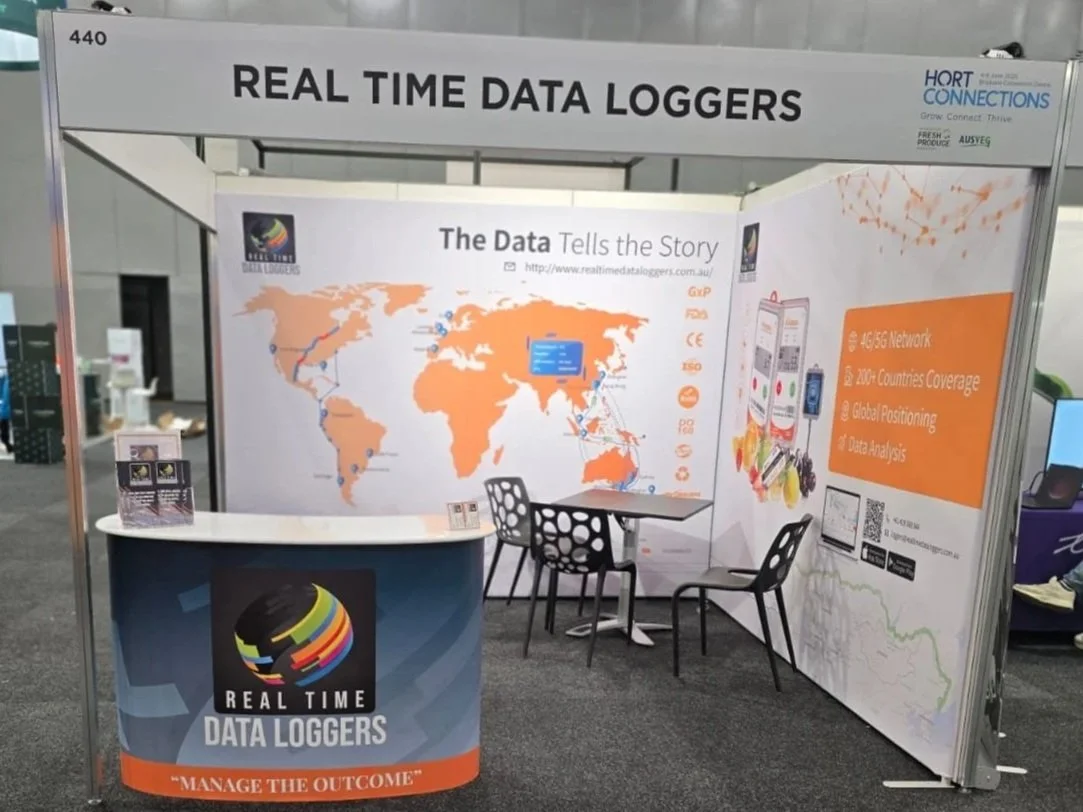
RTDL at Hort Connections 2026
RTDL exhibited at Stand 15 at the Adelaide Convention Centre, showcasing our data logger range and discussing practical cold chain monitoring with the horticulture industry.
The focus was straightforward: what information do you need, where should you measure it, and how can the record help you manage the shipment?
Met us at the stand?
Whether you discussed a particular logger or are still deciding what you need, Allan can help match a model to your goods, route and reporting requirements.
Our story, in print and online.
Published coverage of AND Fresh, RTDL and our involvement in shipment monitoring. These archived articles describe the technology and projects at the time of publication.
Introducing the Frigga 4G range
Allan discusses the logger range and lessons from monitoring fruit shipments, including pulp and container air temperatures.
A traceability grant for grape export trials
Coverage of AND Fresh's grant-supported monitoring trials planned for the 2020–21 Australian table grape season.
Monitoring the export fruit journey
An industry resource featuring an interview with Allan Anderson about temperature loggers and practical shipment examples.
For current models and specifications, refer to Our Range or contact RTDL.
Make the record useful.
A few starting points for planning the monitoring around your shipment.
Start with when you need the information.
If you need available readings and configured alerts during transit, consider a real-time logger. If a temperature history reviewed at destination is sufficient, a USB logger may meet the requirement.
Then check the measurements you need, the route and expected journey time. The right choice starts with the decision you need the data to support.
Compare real-time and USB options →The reading tells the story of its position.
A logger measures at its sensor. An external probe measures at the probe position. Decide what you need the reading to represent before placing either in the shipment.
Product core measurements and export protocols require a suitable method and validation. Discuss the goods, required tolerances and placement with RTDL before dispatch.
Explore connected probe monitoring with V5Y →Match the settings to the journey.
Recording and reporting are different. Recording is how often a reading is stored; reporting is how often a connected logger sends information when a network is available.
More frequent reporting can reduce battery duration. Confirm the settings and expected journey time before starting the logger, and make sure the people reviewing the shipment know where to find the record.
Discuss settings with RTDL →Have a shipment
worth discussing?
You do not need to wait for the next exhibition. Share your monitoring requirements with Allan and start the conversation.
Allan Anderson · Mildura, Victoria
0419 369 944
loggers@realtimedataloggers.com.au
For publication enquiries, interviews or event discussions, contact Allan directly.